
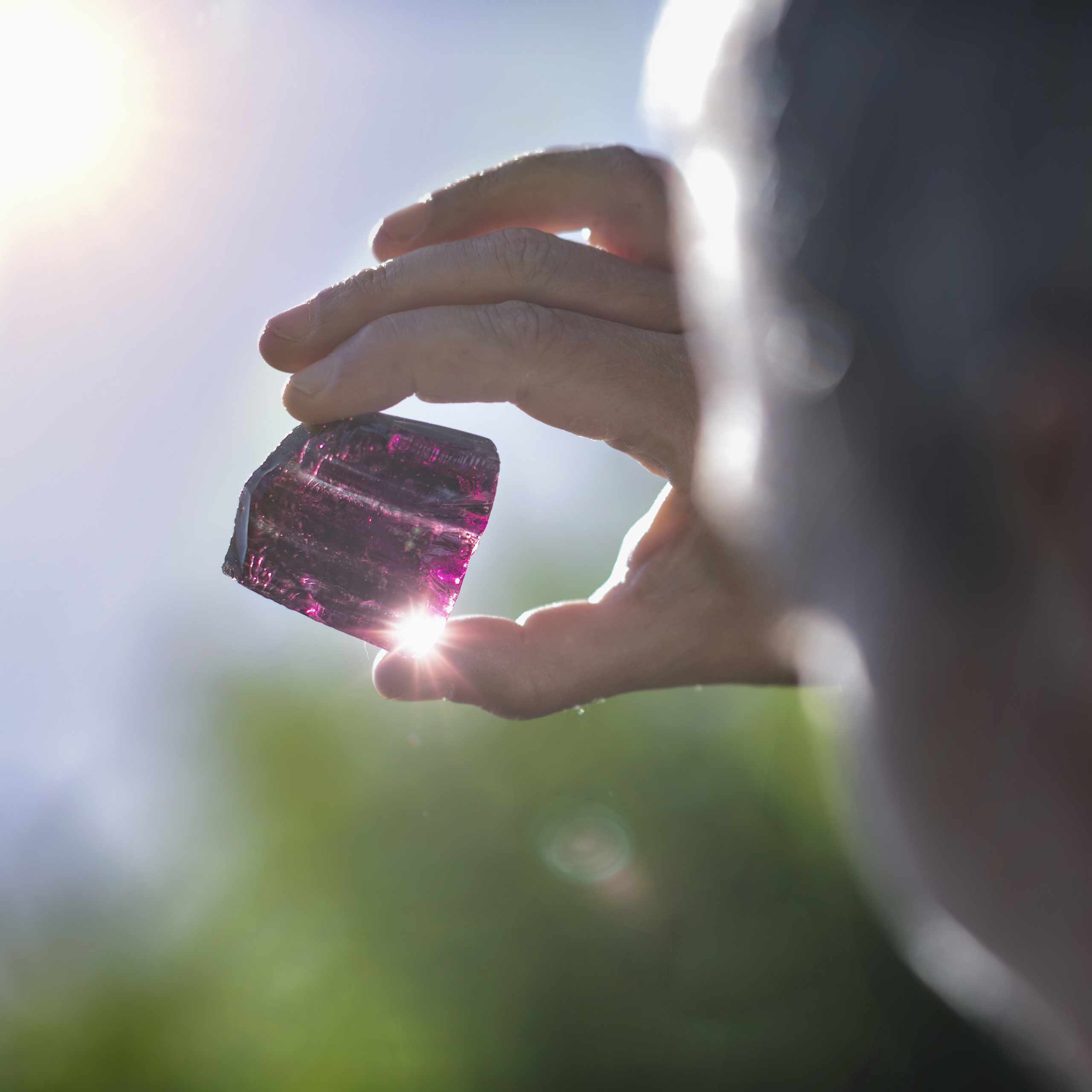
Identify Minerals Through Evidence
Examine luster, streak, hardness, crystal form, and break patterns to build a careful identification instead of guessing from surface color.
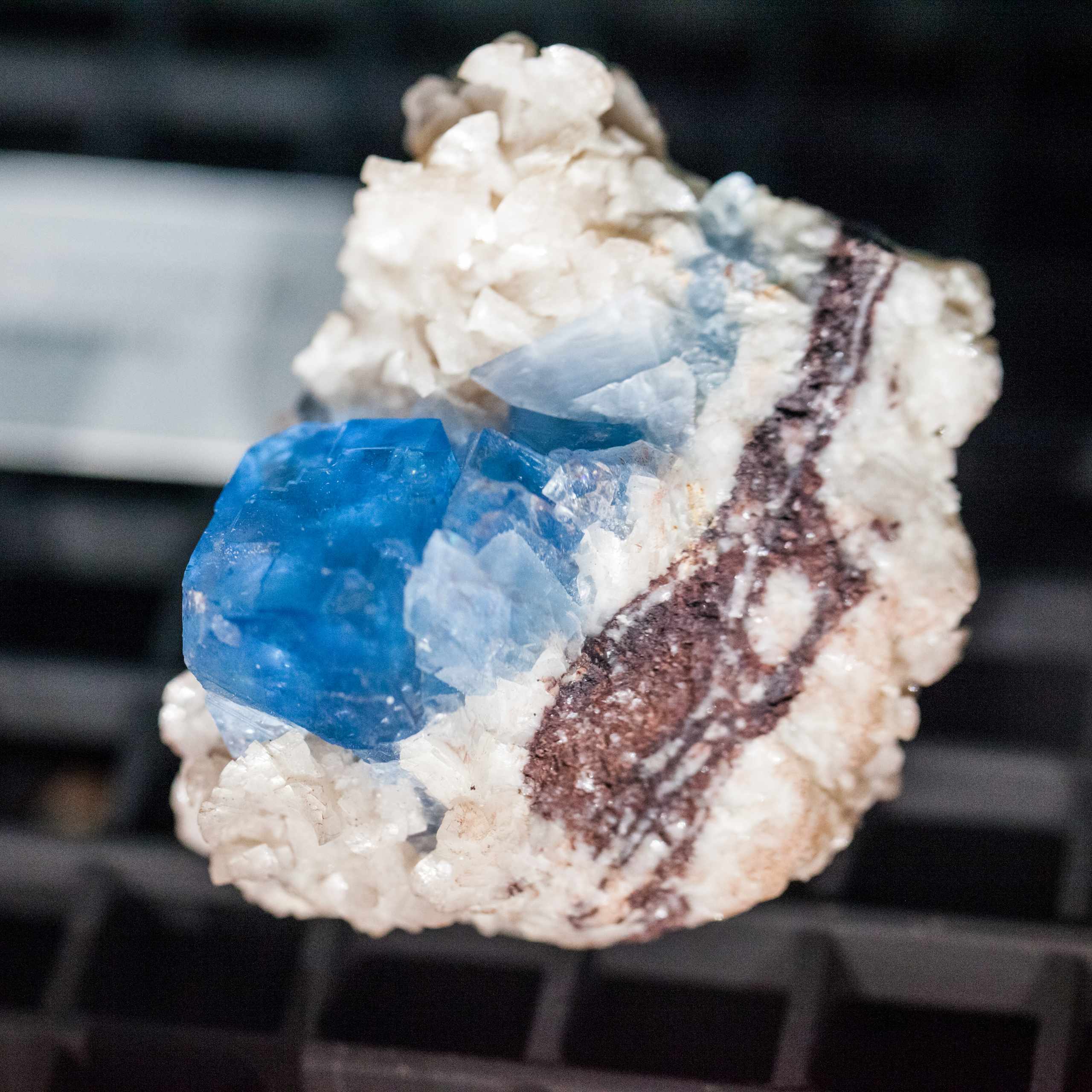
A Practical Way To Read A Specimen
Mineral identification becomes clearer when observations follow a consistent order. The course focuses on visible properties, controlled comparison tests, careful note-taking, and honest uncertainty when a sample cannot be confirmed.
Rather than matching a specimen to one photograph, you compare several clues and record why each one supports or challenges a possible identification.
Observable Properties
Controlled Comparison Tests
Clear Specimen Notes
Six Skills For Mineral Identification
Each practice area adds a different piece of evidence, helping you move from a vague visual impression to a more precise specimen description.
Luster And Surface Detail
Compare metallic, glassy, pearly, and dull surfaces without treating every reflective specimen as metallic.
Streak And Powder Color
Use a suitable streak plate and distinguish a true powder mark from residue, scratches, or surface damage.
Hardness
Comparisons
Apply light pressure, wipe the test area, and check whether a lasting scratch supports the Mohs estimate.
Cleavage And
Fracture
Look for repeated flat planes, curved breaks, splintered edges, and irregular surfaces on an existing fresh face.
Crystal Habit And Grains
Examine crystal faces, grain shape, inclusions, and matrix material with a hand lens or simple magnifier.
Evidence-Based Identification
Combine several properties, compare reference specimens, and record uncertainty instead of forcing a final answer.
From First Look To Supported Conclusion
Begin with what the specimen actually shows: its luster, transparency, crystal faces, grain texture, inclusions, and the difference between fresh and weathered surfaces.
Add low-risk tests only when the sample is suitable. A streak or hardness result is useful evidence, but neither should be treated as proof by itself.
Finish by comparing your notes with an identification key or reference specimen, then record the strongest clues and any remaining doubt.
Observe Before Naming
Test Only Suitable Samples
Record Evidence And Uncertainty
Build A Useful Reference Collection
A small tray of clearly labeled common minerals gives you reliable side-by-side comparisons for luster, hardness, streak, cleavage, crystal habit, and transparency.