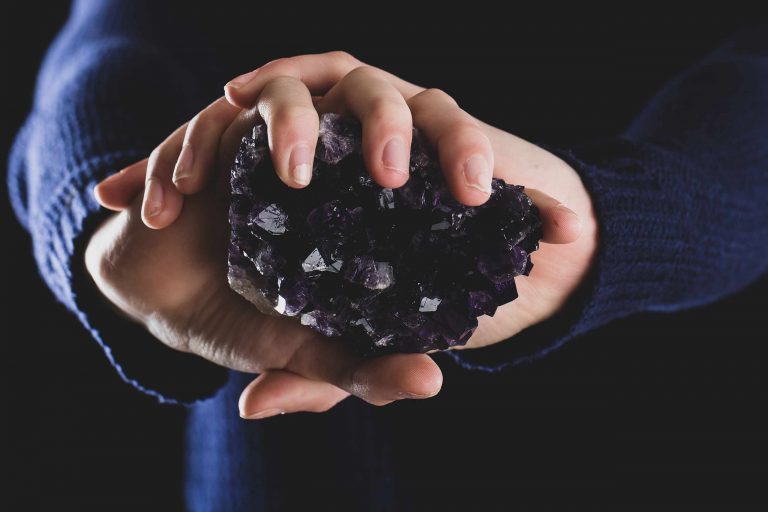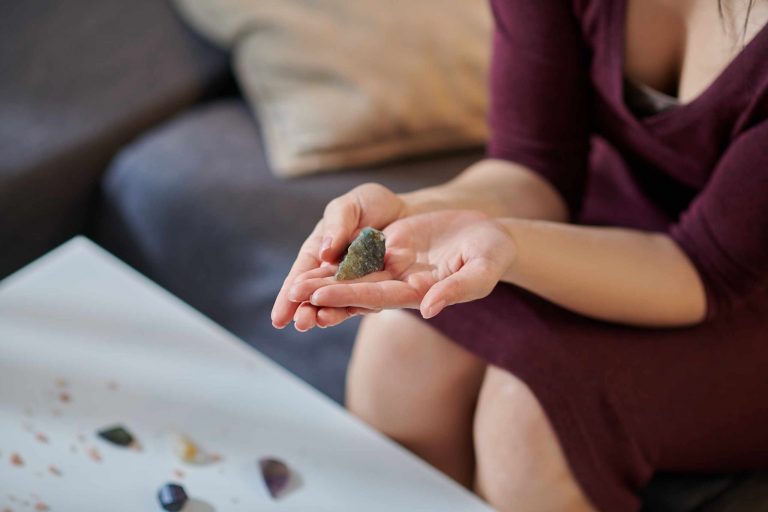
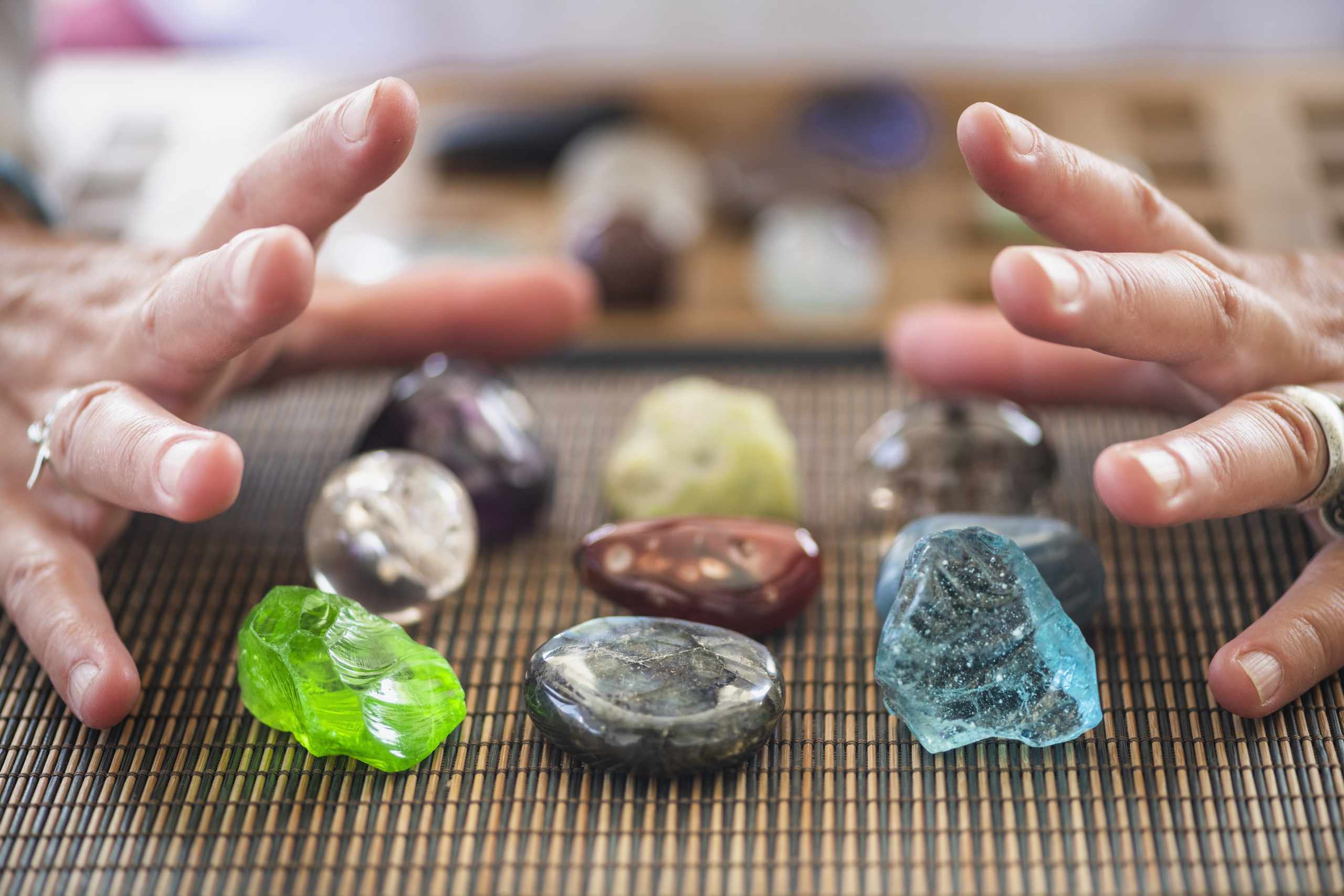
What happens when a mineral surface interacts with light is a better question than, “Is this shiny?” Some minerals look quite shiny. Other minerals may have surfaces that look metallic, glassy, pearly, silky, greasy or resinous. Learning to distinguish between these types of appearances will help you give a more specific description before trying to identify the mineral.
Hold one mineral in front of you and turn it around under a desk lamp or near a window. Observe how the shine travels over a fresh surface, a crystal face, and a weathered surface. Think about a common metal object and a piece of clear glass. Does the shine of your mineral look more like the reflection off the metal or the glass? Write down why you think it looks more like one or the other instead of simply using a vocabulary word.
Metallic luster is like the shine you would see on metal that is highly polished or slightly tarnished. Metallic minerals tend to be opaque. Light bounces off of them, but doesn’t seem to go into them. Vitreous luster is like the shine on broken glass and is very common on transparent or translucent minerals. Even dark colored minerals can have vitreous luster, so don’t base your decision on the color of the mineral alone. Look at the quality of the reflection, and see if the light passes through the thin edges of the mineral.
Pearly luster is most often seen on smooth cleavage planes and is a more muted reflection than vitreous luster. Silky luster is created by the presence of many fine parallel fibers. Greasy luster makes it appear as if there is a film of oil on the mineral surface. Minerals with a dull or earthy luster have very little reflection, and their surfaces may feel powdery or rough. These descriptions refer to the quality of the surface reflection, not the attractiveness or value of the mineral.
Students sometimes call every bright, reflective mineral metallic. This puts minerals from completely different mineral families together and causes an identification key to go off track. A related problem is that weathering often covers a mineral’s original surface. You can use a hand lens to examine several parts of the mineral, but don’t crack or chisel away parts of the mineral to reveal a new surface. An existing fresh surface is sufficient for beginner observations.
It is also helpful to put luster in context. Indicate whether the mineral is transparent, translucent, or opaque, and whether the reflection varies over crystal faces, grains, inclusions or the surrounding matrix. One mineral specimen may have more than one type of surface appearance because it contains more than one mineral or because it is partially weathered. In those cases, describe the different types of surface appearances instead of assigning just one label to the entire specimen.
After completing the description, cover the name of the mineral, and just read your notes. Do they tell you what the reflection looked like, where you saw it, and what kind of surface it looked similar to? If your note just says “very shiny,” go back to the mineral and replace that subjective statement with information someone else can recognize.