How MineralPeak Approaches Identification
Observation Before Assumption
The course begins with what a specimen actually shows: luster, transparency, crystal habit, grain texture, inclusions, and the difference between fresh and weathered surfaces.
A name comes later. Learners first describe visible properties, compare several clues, and record uncertainty when the available evidence does not support a firm identification.
Study The Clues Behind Each Specimen
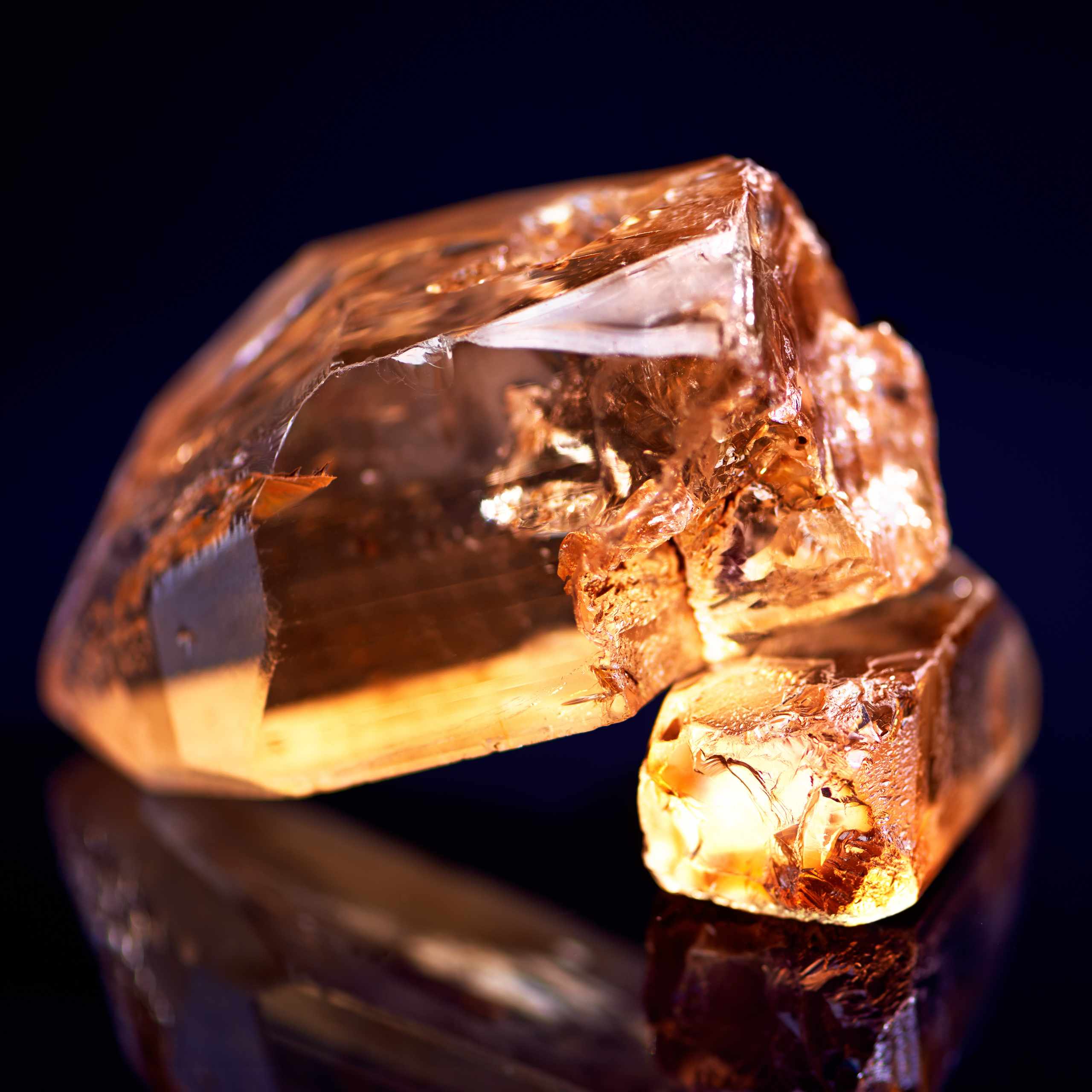
Mineral color can change because of impurities, coatings, or weathering, so it is treated as one clue rather than a final answer.
Course notes examine luster, hardness, streak, cleavage, fracture, crystal form, and other properties through practical examples that show why several modest observations are more reliable than one striking feature.
What Learners Notice In Practice
Careful comparison makes it easier to describe a sample precisely, use simple tests with restraint, and explain why an identification seems reasonable.

Hideaki Ebihara
I used to describe every reflective sample as shiny. Comparing metallic and pearly luster gave me clearer words and made my specimen notes much more useful.

Megu Hatakeyama
The property checklist stopped me from guessing by color. I now check the fresh surface, hardness, streak, and break pattern before looking at a mineral guide.
Choose A Safer Starting Point
Ask which specimens are suitable for early comparison exercises, what tools are useful, and when a polished, fragile, coated, or valuable sample should remain untested.
Principles Behind The Course
Progress is built through repeated observation, controlled comparison, precise notes, and careful decisions about when a specimen should or should not be tested.
Describe Before Naming
Record luster, transparency, grain shape, and surface details before checking a possible mineral name.
Compare Several Properties
Combine streak, hardness, cleavage, fracture, and crystal habit instead of relying on one convenient clue.
Test With Restraint
Use low pressure, suitable samples, and existing fresh surfaces to reduce unnecessary marks or damage.